Retail display glass film
Storefront Window Film in San Francisco
A San Francisco storefront window has a lot of jobs. It has to show off the shop, survive the sidewalk, and not cook the merchandise or the staff. Storefront window film helps with the heat, glare and fading side of that list.
 San Francisco
Storefront Window Film for San Francisco Neighborhood Retail
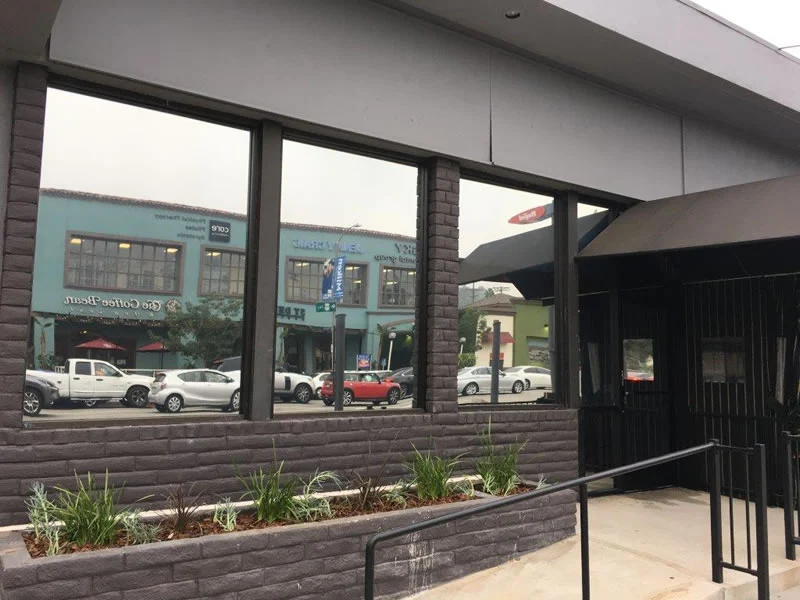
Much of the city's shopping happens on neighborhood corridors rather than in malls: Valencia and 24th Street in the Mission, Chestnut and Union in the Marina area, Hayes Street in Hayes Valley, Irving and 9th Avenue in the Inner Sunset, Columbus and Grant in North Beach. The buildings are mostly older, with tall display windows, ground-floor shops and apartments above.
Those storefronts take direct sun on many afternoons, especially on the sunny side of the street. Display items fade, chocolate and cosmetics suffer, staff by the window get uncomfortable, and customers inside squint. Film on the glass addresses those problems while keeping the window clear enough to sell from. A shop on the shady side of the same street may need only UV protection.
Keeping Storefront Displays Visible With Window Film
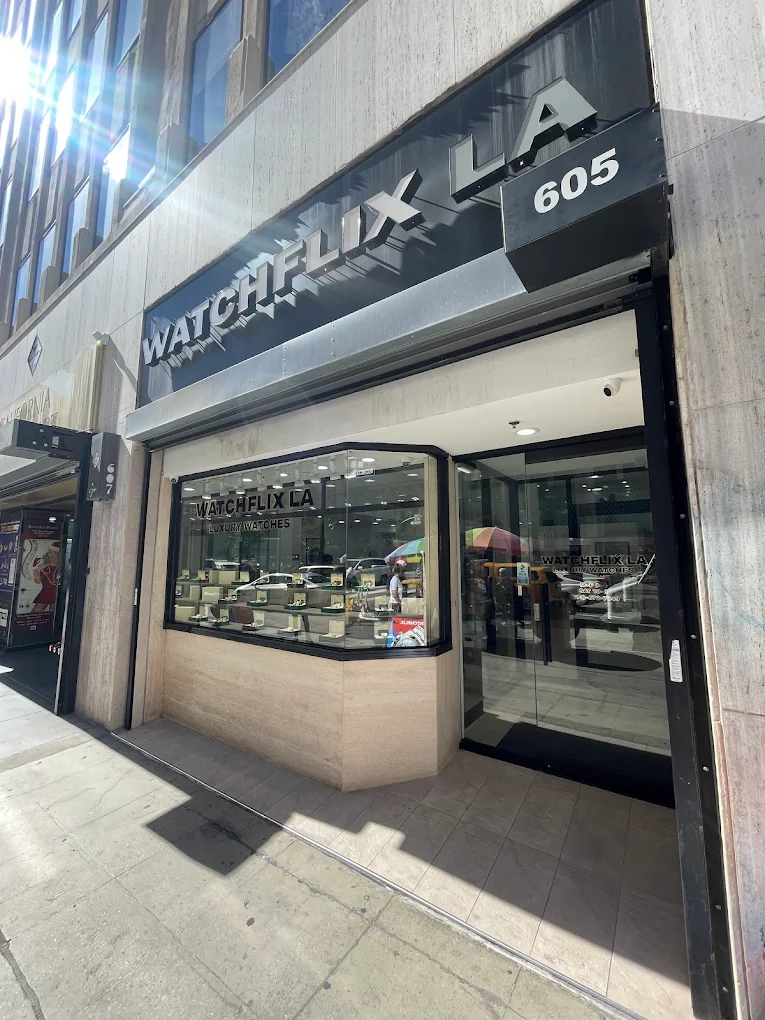
The first rule for storefront film is that people on the sidewalk still need to see inside. A dark or mirrored film defeats the purpose of a display window and can make a shop look closed. For most retailers we use clear or very light films that block nearly all UV and a share of solar heat without changing how the window looks from the street.
Restaurants and cafes sometimes take a different approach. A dining room facing west on a sunny corridor may want stronger glare and heat control during dinner service, when the low sun hits tables directly. A light-grey film or a band of film at seated eye level can manage that while keeping the room visible to passersby.
UV Window Film to Protect Retail Merchandise
Fading is a direct cost for retailers. Clothing, books, packaging, furniture and artwork in a sunny window can lose color within weeks, and sun-bleached stock often has to be discounted or replaced. A clear UV film blocks almost all ultraviolet light and slows that damage considerably. For shops with costly goods in the window, those losses add up quickly.
Even the best UV film leaves some fading to visible light and solar heat. Swapping display items regularly and using lower-transmission film on the sunniest windows extends the life of merchandise further. We often suggest different films on the sunny and shaded sides of a corner shop. It is worth asking which side of your shop gets the afternoon sun.
Storefront Window Film on Older Commercial Buildings in North Beach and Hayes Valley
Many San Francisco shops occupy ground floors of buildings that are a century old or more, and some sit inside historic districts such as Jackson Square, next to North Beach. Exterior changes to buildings in those districts can require Planning review. Interior film that stays clear or neutral does not change the facade, so it is usually the simplest way to upgrade old storefront glass without touching the original frames or transoms.
Older storefronts also tend to have single-pane plate glass, wood or bronze frames and transom windows above the door. We fit film to each section, including the transoms that often get missed and let a surprising amount of afternoon sun into a Hayes Valley boutique. Where the original glass is already scratched or has old residue, we clean and assess it first, since film shows imperfections in the glass beneath it.
Combining Storefront Film With Security and Anti-Graffiti Layers
On many San Francisco corridors, shop owners also worry about broken glass and tagging. Solar and UV films can be combined with security film to slow smash-and-grab entry, and with a clear sacrificial anti-graffiti layer on the lower part of the glass, where most scratching and marker damage happens. We plan the layers so they fit together without visible edges.
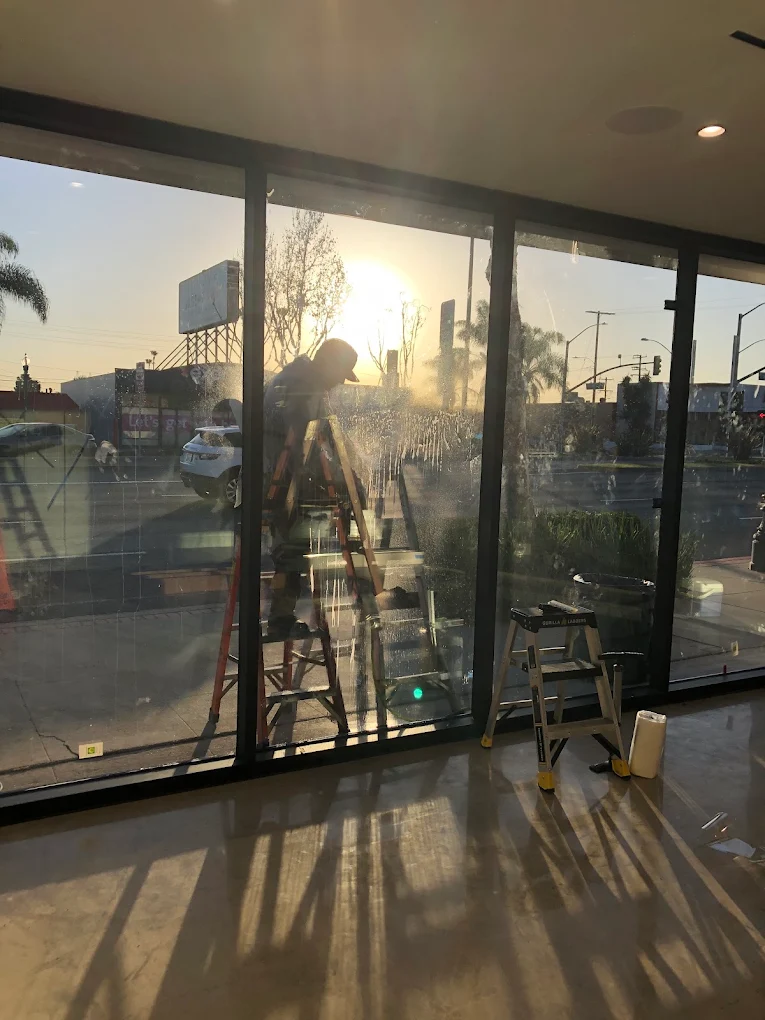
Planning these together saves time and money, since all the films go on during the same visit and are chosen to work as a set. We can install before opening or after close so the shop stays open its normal hours. Our crews clean up fully before the doors open, so customers never see work in progress.
What Storefront Window Film Does for San Francisco Shops
Storefront Film Slows Merchandise Fading
Blocking most UV at the glass slows the color loss in clothing, packaging and display items. Merchandise stays sellable for longer, and displays need replacing less often. That means fewer markdowns on sun-damaged stock and less time spent rotating displays out of the window just to protect them.
Clear Storefront Windows for Shoppers
Light and clear films keep the display window open to the street, so people walking by can still see products and staff inside. The shop does not look darker or closed. Window displays keep doing their job of drawing people in from the sidewalk.
Cooler Storefront Sales Floors on Sunny Afternoons
Film rejects part of the solar heat entering through large display windows, making the sales floor and checkout area more comfortable for staff and customers on warm days. Staff working near the glass notice it most, and so does chocolate, produce or anything else that suffers in heat.
Less Glare Inside San Francisco Stores
Lower glare makes screens at the register readable, helps customers see products on shelves near the window and makes dining rooms more pleasant during late-afternoon sun. Customers can also read menus, labels and screens near the window without squinting.
Storefront Window Film FAQs for San Francisco
Could tinted display glass hurt foot traffic on my SF block?
It can if the film is too dark, which is why we steer retailers away from that. Clear and light films leave the display fully visible. Dark and mirrored films only make sense where a shop wants that look for a specific reason, such as a bar or a salon that values privacy.
Can you install storefront film outside business hours?
Yes. Most storefront installs are done before opening or after closing, and a typical small shop is finished in one session.
Does storefront film work with window lettering and graphics?
Yes. Film usually goes on the inside of the glass, and vinyl lettering can go on top of it or on the outside. Point out any existing decals in your photos and we will work around them.
Do I need my landlord's approval for storefront film?
Many commercial leases treat film as an alteration, so check your lease. Clear films rarely raise objections because they do not change the building's appearance.
Window film quote
Storefront Window Film Quotes for San Francisco Retailers
Send photos of your storefront from the street and from inside, plus approximate glass sizes. Use the quote form or email info@windowfilmsanfrancisco.pro.
Prefer email? info@windowfilmsanfrancisco.pro