
Solar heat rejection film
Heat Control Window Film in San Francisco
San Francisco has a short, sharp heat season, and most of its houses were never built to handle it. Heat control window film rejects part of the sun's energy at the glass, so sun-facing rooms stay usable through the warm weeks.
 San Francisco
When San Francisco Homes Actually Need Heat Control Film
People outside the Bay Area picture San Francisco as cold, and on the west side much of the summer is. But the warm-weather pattern here is unusual. The hottest days often come in September and October, sometimes in early spring too, when offshore winds push the fog out to sea and the sun shines through dry, clear air. A west-facing room can go from comfortable to stifling within a couple of hours.
Those spells are short, but they are rough in houses with no air conditioning, which describes a large share of homes in the city. Windows are the main way heat gets in. Heat control film targets that path directly, without adding a window unit to a period sash or running a portable AC hose out the window.
Heat Control Window Film in the Mission, Potrero Hill and Bernal Heights
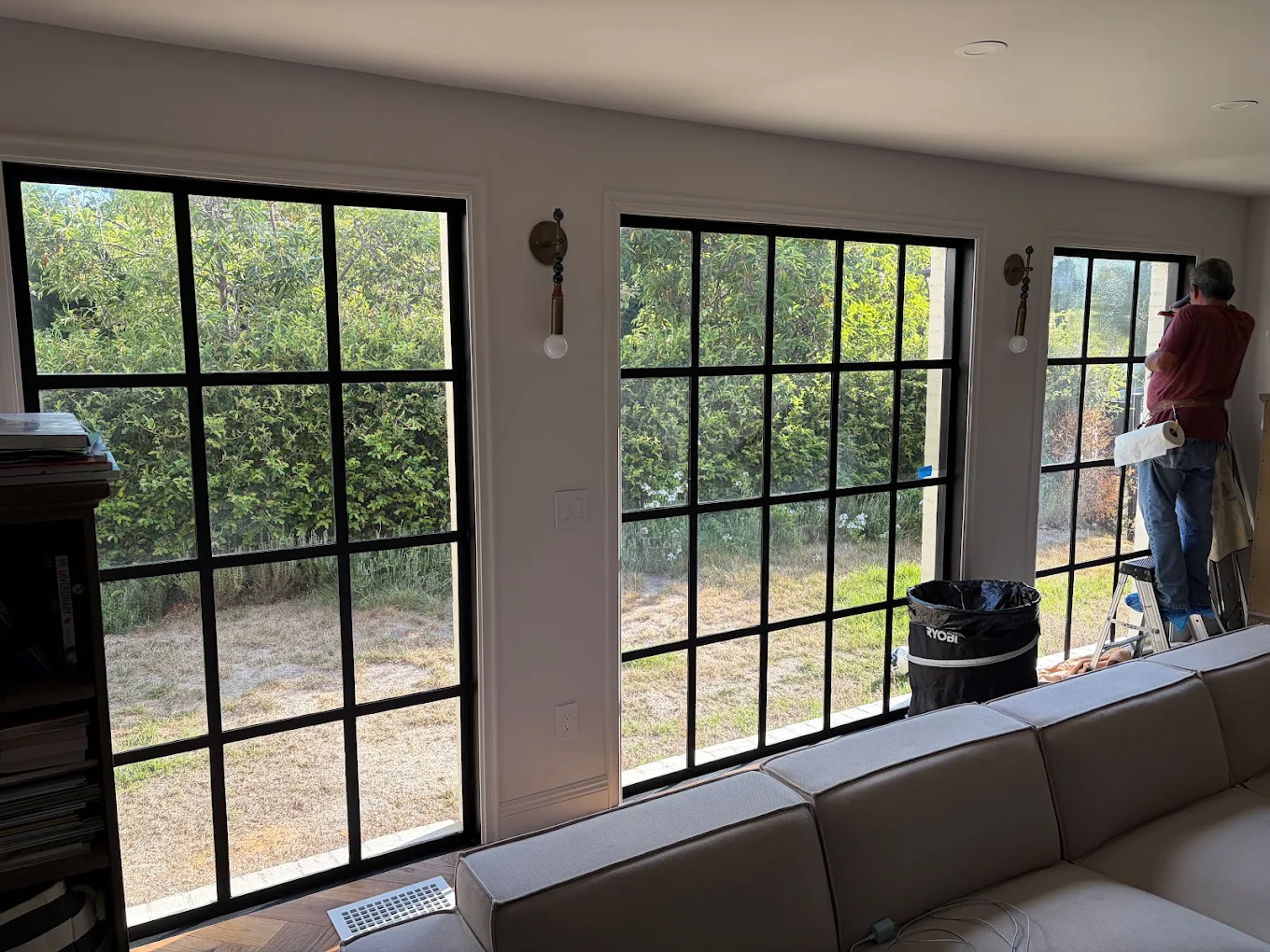
The east side of the city sits in the lee of Twin Peaks and gets much more sun than the Sunset or Richmond. Homes in the Mission District, on the south and west slopes of Potrero Hill and around Bernal Heights take real afternoon heat for more of the year, and heat control film is one of the most requested upgrades there.
Hillside homes in Bernal and Potrero often have big rear windows or glassed-in decks that face south or west for the view. Those rooms behave like greenhouses. Film on that glass is often the difference between a room you use and one you avoid from 2 p.m. until sunset. A light reflective film can make sense on that kind of glass if the owner accepts the look.
Top-Floor Flats and Rear Additions Overheat First
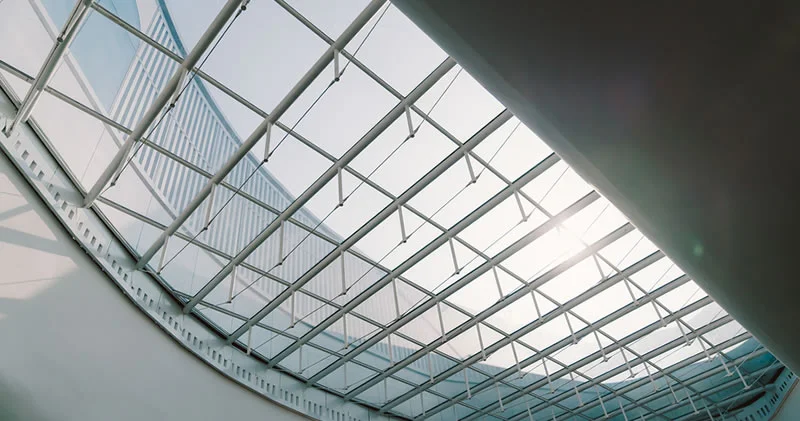
In a typical two- or three-unit San Francisco building, the top flat runs warmest. It gets heat through the roof, heat rising from the units below, and full sun on the upper bay windows. Renters and owners on top floors in Noe Valley and the Castro tell us the same story: fine most of the year, miserable for a few weeks every fall.
Rear additions are the other hot spot. Many older homes have a kitchen or family room added at the back with large sliding doors or a wall of glass. Those additions often face south or west, have little shade, and sit under a flat roof. Treating just that glass can noticeably change how the whole back of the house feels.
Choosing Heat Control Film for Single-Pane and Dual-Pane Glass
Heat control films work by reflecting and absorbing solar infrared. Reflective films reject more total heat but look mirrored from outside and can show reflections inside at night. Spectrally selective films stay much closer to clear and are the usual choice for Victorian facades and for view windows, where keeping the outside appearance and the view matter.
Glass type sets the limits. Original single-pane annealed glass handles most films well. Large dual-pane units, especially ones that are partly shaded by an eave or a neighboring building, can crack from thermal stress if the film absorbs too much heat. We check the glass and follow the film maker's compatibility guidance before we recommend anything.
What Heat Control Film Does for San Francisco Rooms
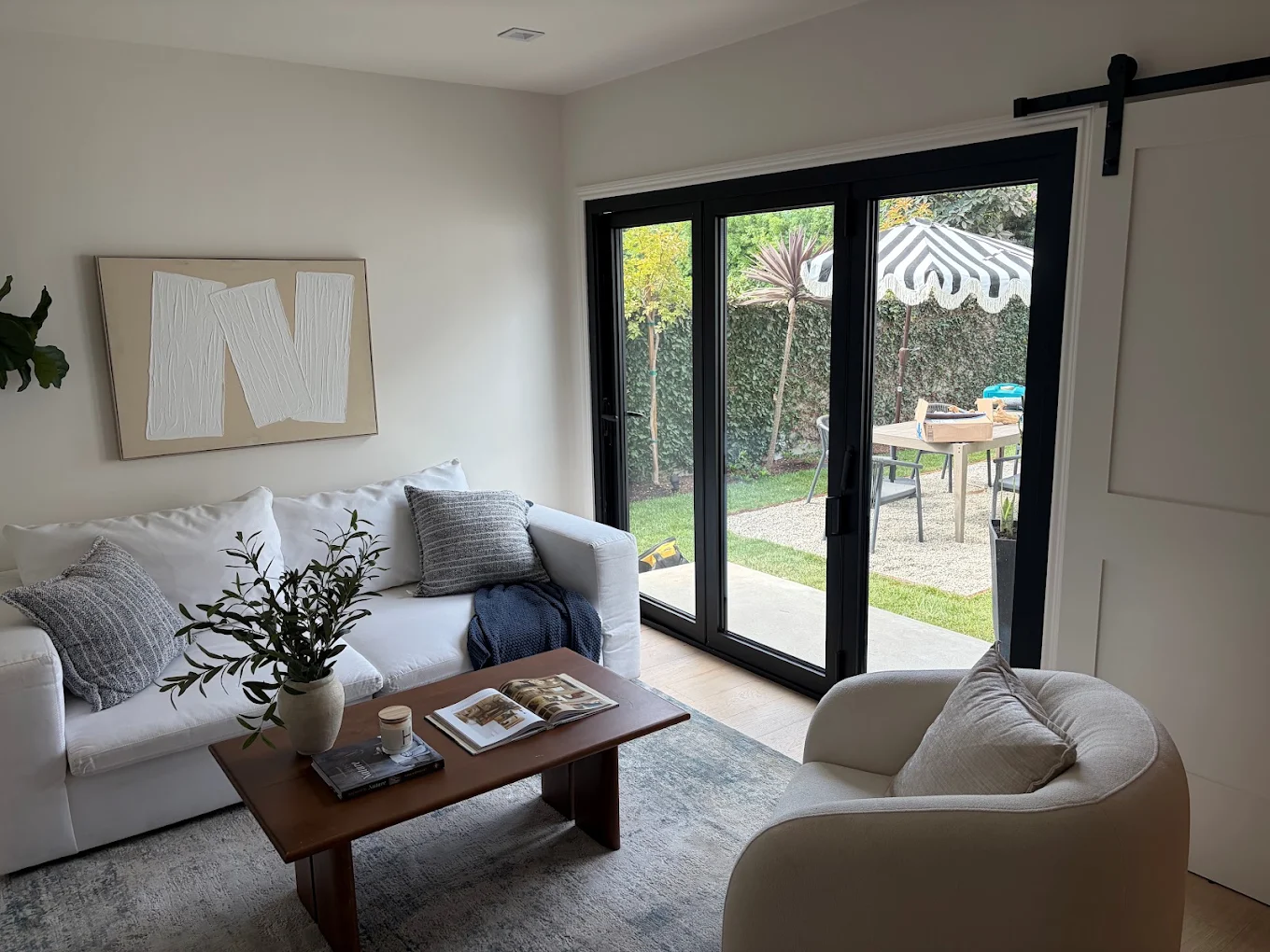
Heat Control Film Lowers Peak Room Temperature
By turning away a share of incoming solar energy, film slows how fast a sunny room warms and lowers the temperature it reaches by late afternoon. That makes the worst few hours of a San Francisco heat wave easier to get through, especially in upper-floor rooms.
Cooler Bedrooms After Hot San Francisco Days
Rooms that absorb less heat during the day release less of it at night. Owners with west bedrooms often notice that the room cools down sooner after sunset, which makes sleeping easier when the outdoor air finally cools but the walls are still warm.
Heat Control Without Losing the View
Spectrally selective film rejects a good portion of solar heat while keeping glass looking close to clear. You keep the view of downtown, the bay or Twin Peaks, and you do not need to close the blinds every afternoon just to stay comfortable.
Less Strain on Fans, Mini-Splits and Window Units
In homes that have added a heat pump or portable unit, less solar gain means the equipment runs less during the afternoon. That helps on time-of-use electricity plans, where late-day power costs more than power used earlier in the day.
Heat Control Window Film FAQs for San Francisco
Is heat control film worth it in foggy San Francisco?
It depends on where you live. In the Outer Sunset or Richmond it is rarely the priority. In the Mission, Potrero Hill, Bernal Heights, Noe Valley and other sunny east-side areas, many homes need it for the warm weeks each year.
Does blocking summer heat cost me warmth in January?
A little, on clear winter afternoons, because some free solar warmth is blocked. If winter warmth matters more to you, a low-E film can reject summer heat while helping retain indoor heat on cold nights.
Where should a San Francisco homeowner start with heat film?
Begin with glass that faces west, then the south side, then large skylights or glass doors in rear additions. North-facing windows rarely need it.
How long does heat control film take to install?
A few rooms are often finished in half a day. Full homes with many bay window panes may take a full day. The film then cures over the following weeks.
Window film quote
Price Heat Control Window Film for Your SF Home
Let us know which rooms get too warm and roughly when the heat builds. Window sizes and photos can go through the quote form or to info@windowfilmsanfrancisco.pro.
Prefer email? info@windowfilmsanfrancisco.pro