
Residential safety film
Security Window Film for San Francisco Homes
Applied to the room side of a pane, security window film is a heavy clear sheet that keeps cracked glass in one connected piece. For San Francisco homes, that means slower break-ins at ground level and fewer flying shards in an earthquake.
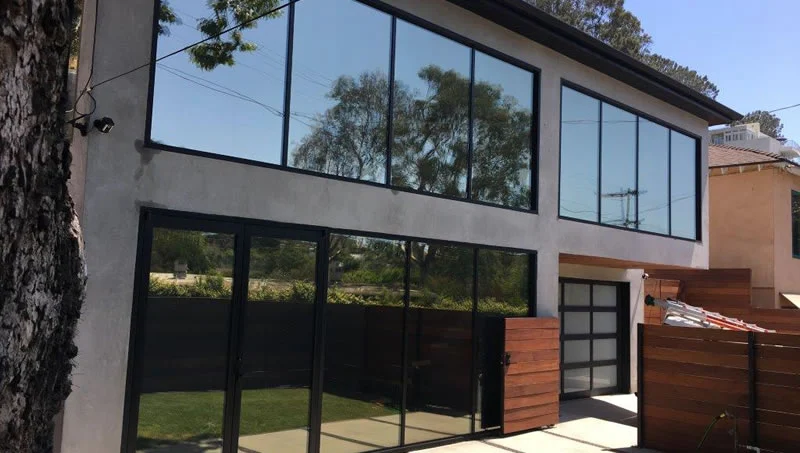 San Francisco
Where San Francisco Homes Are Vulnerable to Glass Break-Ins
Most residential break-ins in the city start at the easiest point, and in San Francisco housing that is often the ground floor or garage level. Many homes have small windows into the garage, a back door with a glass panel opening onto a rear yard, or a garden unit with windows at sidewalk level. These are out of sight from the main living floor and easy to reach.
Glass near a lock is a weak spot too. A door with a glass panel next to the deadbolt can be broken, reached through and opened in seconds. Security film does not make glass unbreakable, but it keeps the broken pane stuck together, so getting a hand or a body through takes much more time and noise.
Security Window Film in the Mission, Inner Sunset and Bernal Heights
We get a lot of security film requests from homeowners in the Mission District and Bernal Heights, where houses with garden units and rear yards back onto alleys and neighboring lots. Rear windows and back doors, hidden from the street, tend to be where owners want protection first. Glass doors to back decks are a frequent request too.
In the Inner Sunset and other west-side neighborhoods, the common setup is a garage at street level with a small window or a glass-paneled door into the house. Filming the garage-side glass protects the route from the garage into the living space, which many owners do not think about until after a car break-in inside their own garage.
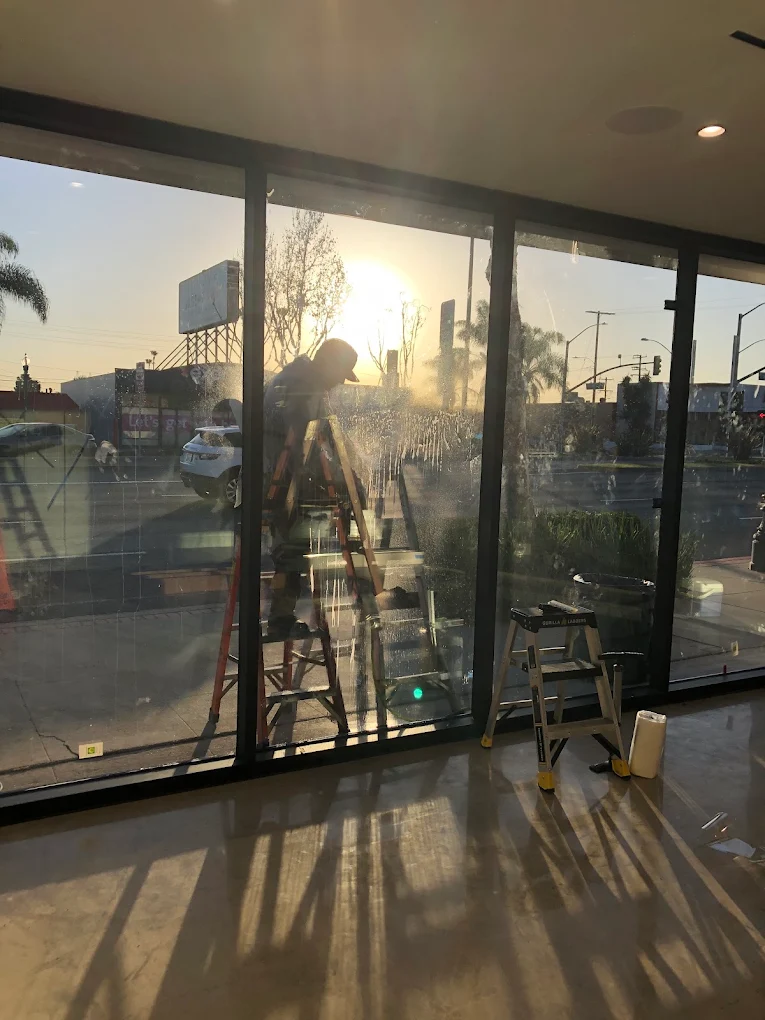
Safety Film and Earthquake Glass Hazards in San Francisco
San Francisco lives with earthquake risk, and broken glass is one of the injury hazards in a strong shake. Ordinary annealed glass in older Victorian and Edwardian sashes breaks into long, sharp pieces. Safety film holds those pieces together and reduces how much glass falls into a room or onto a sidewalk.
That makes safety film worth considering on large windows near beds and couches, on glass shelving and mirror walls, on glass in stairwells and hallways that serve as exit routes, and on older glass doors that are not tempered. It is not a seismic retrofit and does not strengthen the building, but it addresses one specific hazard at low cost.
Choosing Security Film Thickness for Residential Glass
Security films are sold by thickness, usually in mils (thousandths of an inch). Thinner safety films focus on holding glass together after accidental breakage. Thicker security films resist repeated blows longer. For most homes, a medium-thickness film on ground-level and rear glass is a reasonable balance of cost and protection.
Where more resistance is wanted, the film edge can be glued into the frame with structural silicone or clamped under a screwed-on metal strip, so the whole sheet of filmed glass stays in the opening instead of being pushed out in one piece. That is common on commercial storefronts and less common on homes, but it is an option on vulnerable doors.
Glass that is already tempered or laminated behaves differently. Tempered glass, found in most newer sliding doors, crumbles into small cubes rather than shards, and film holds those cubes in a sheet. Laminated glass already has a plastic interlayer. We identify which glass you have before recommending a thickness, because there is no point paying for heavy film where the glass already does part of the job.
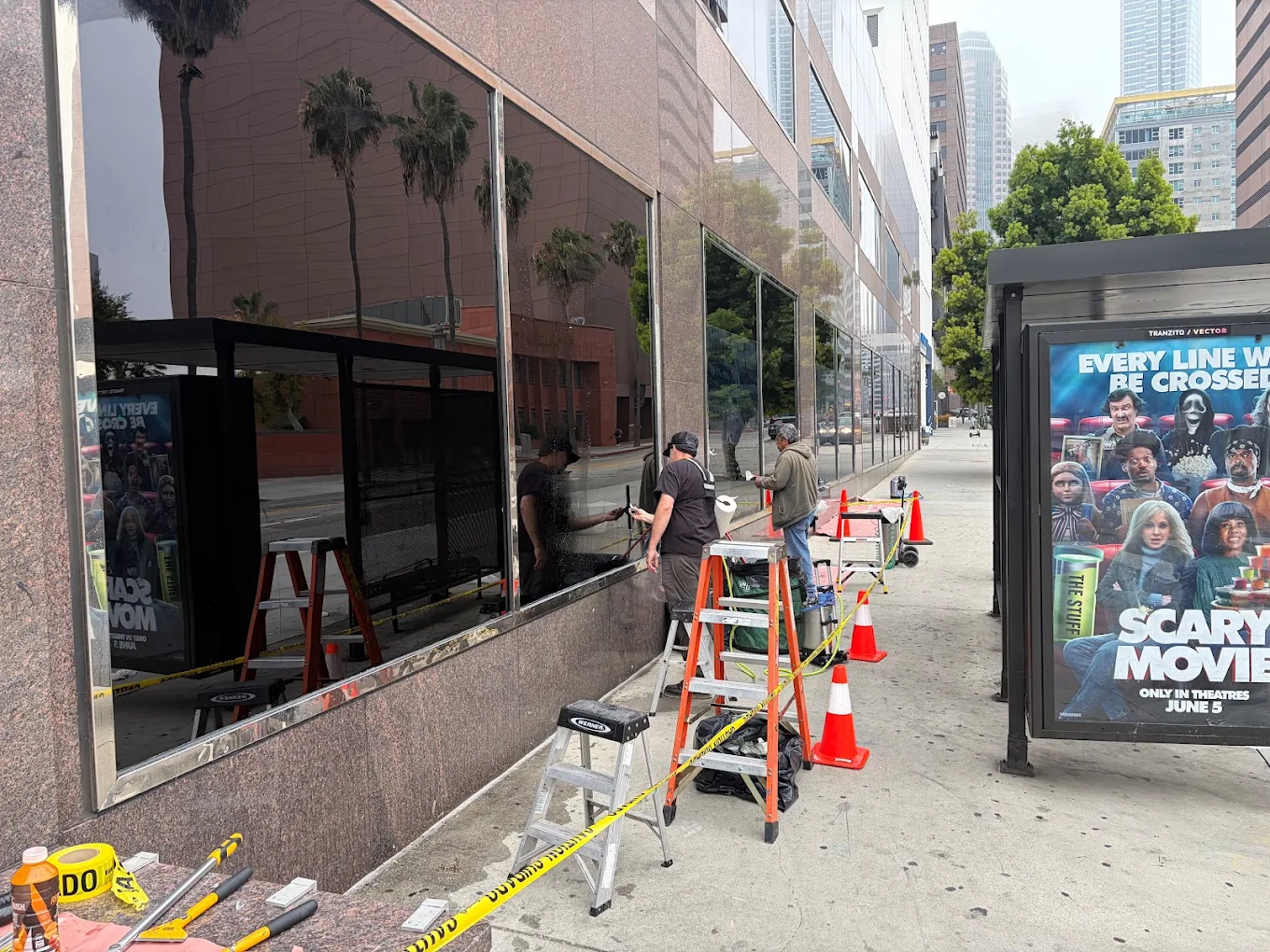
What Security Window Film Does for San Francisco Homes
Security Film Delays Forced Entry
Filmed glass that has been struck stays in the frame as a cracked but connected sheet. A burglar needs several more blows and more time to clear an opening, and the noise draws attention. Many give up and move on.
Safety Window Film Reduces Flying Glass
Whether glass breaks from a ball, a fall, a break-in attempt or an earthquake, film holds the fragments together. That lowers the chance of cuts and makes cleanup safer for people walking across the floor afterward.
Clear Security Film Keeps the Look of the House
Most security films are clear and nearly invisible once installed, so the windows look the same from inside and outside. There are no bars or grilles changing the appearance of a Victorian facade or a garden-unit window.
UV Blocking Comes With Security Window Film
Security films include UV absorbers, so they also slow fading of floors and furniture near the treated windows. Some can be combined with a tint layer for heat or privacy on the same glass. You get two jobs done on the same glass.
Security Window Film FAQs for San Francisco Homeowners
Will security window film stop a burglar completely?
No. Filmed glass buys minutes and makes a racket, and that discourages a lot of opportunists, though enough force still wins in the end. Pair it with solid deadbolts, motion lights and an alarm for real protection.
What separates safety film from security film?
They are closely related. Safety film is usually thinner and focuses on holding broken glass together. Security film is thicker and resists repeated impact longer.
Can security film go on my old single-pane Victorian windows?
Yes. It is often a good fit, because old annealed glass breaks into dangerous shards. We check the glass and sash first and point out any loose panes or failing putty.
Does security film help in an earthquake?
It helps with one hazard, flying and falling glass, by holding broken pieces together. It does not strengthen the house or the window frames.
Window film quote
Security Window Film Estimates for San Francisco Homes
Tell us which doors and windows worry you most and send photos showing the frames. The quote form and info@windowfilmsanfrancisco.pro both work.
Prefer email? info@windowfilmsanfrancisco.pro