
Glass tinting, citywide
San Francisco Window Film and Window Tinting
We install window film on San Francisco flats, row houses, storefronts and office floors. What your glass needs depends a lot on which side of the hills you live on, which way the windows face, and how close they sit to the sidewalk.
Residential and commercial film · 20 neighborhoods served · Quotes by email
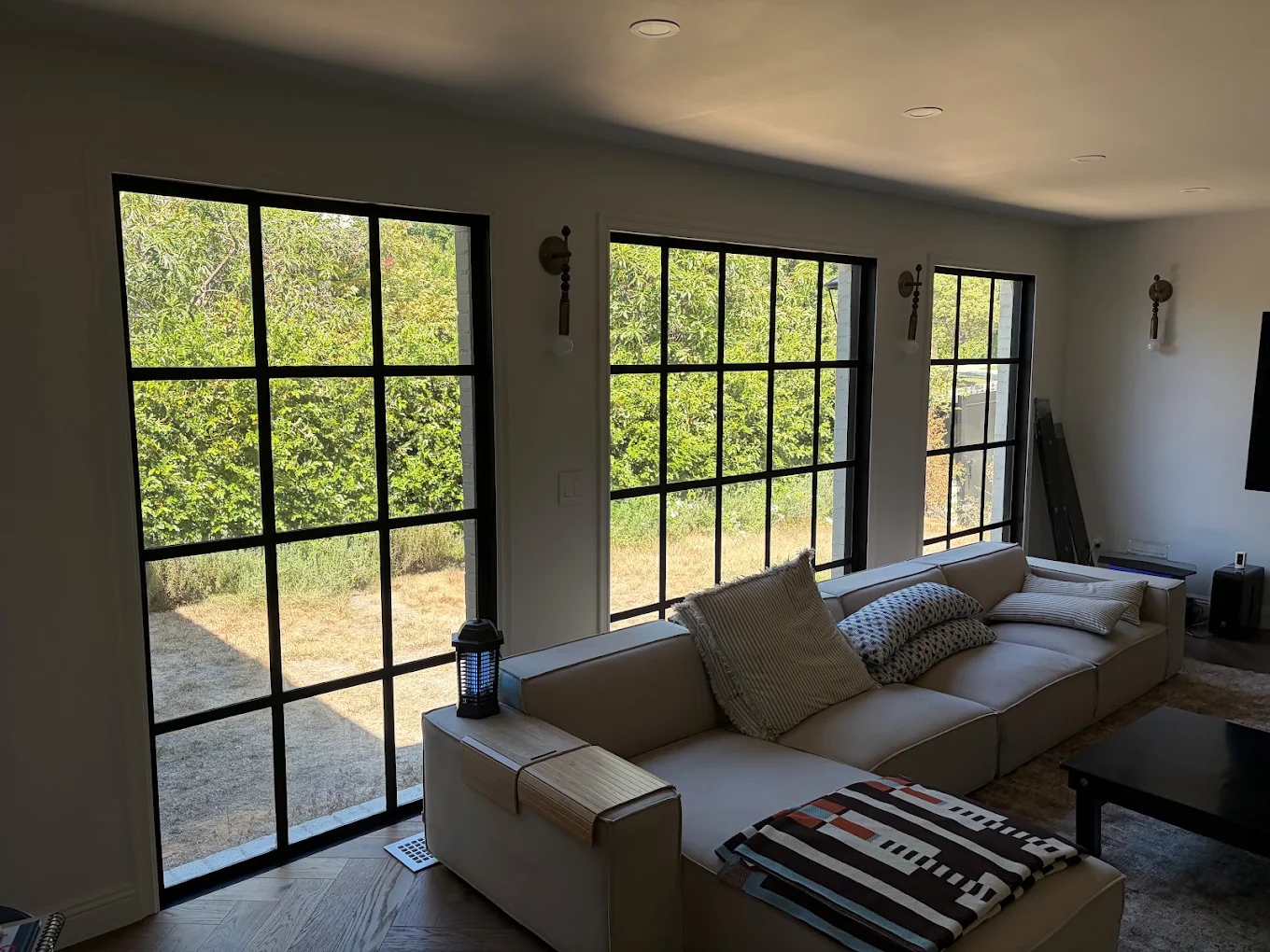

Window film in San Francisco
San Francisco Microclimates and the Window Film They Call For
San Francisco is a small city with very different weather from one ridge to the next. On a typical July afternoon the Outer Sunset and the Richmond District can sit under a grey marine layer while the Mission, Potrero Hill and Dogpatch are in full sun. A window film that makes sense on a bright Bernal Heights hillside can be the wrong call for a foggy block near Ocean Beach, where owners care more about holding winter warmth than rejecting heat.
Our real heat season tends to land in September and October, once the summer fog has loosened its grip. Those are the weeks when west-facing bay windows turn living rooms into ovens, and most San Francisco houses were built without air conditioning. We plan film around those weeks rather than around a generic summer, and we look at each elevation separately, because the south and west glass on one house can need a different film from its north side.
Glare is the other constant. Low winter sun reflects off the bay, off wet streets and off the glass of the building across the way. Plenty of our San Francisco work is about making a screen readable at 4 p.m. in January, not about heat at all. Glare film is often the whole job in those homes.
Typical upper ranges across residential and commercial film lines. Your numbers depend on the film and the glass, and we spec them before install.
Ask Which Film Fits →How San Francisco Window Film Installation Works
Every quote starts with your windows, not a catalog. Here is how a San Francisco install runs from first email to finished glass.
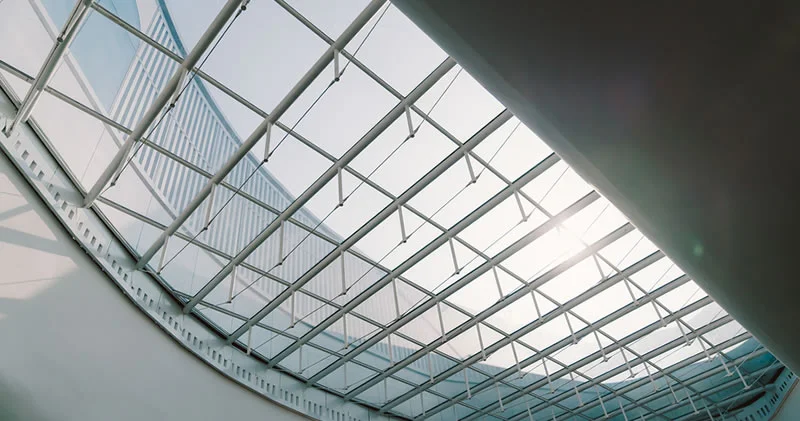
Send Photos and Sizes for a Window Film Quote
Start with the quote form: name the rooms or floors that give you trouble and the time of day it happens. Rough window measurements and a few phone photos of the glass, including the frame and which way it faces, are enough for a first estimate.
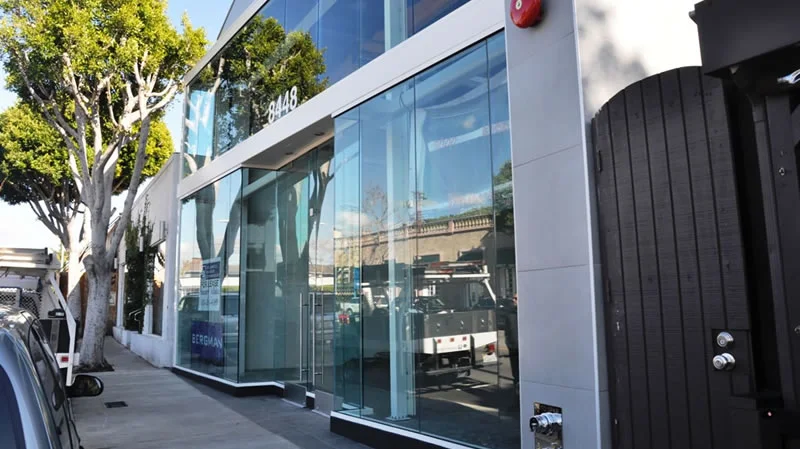
Window Film Samples and Glass Check On Site
We visit, confirm measurements and identify the glass: single-pane, dual-pane, tempered, laminated or old annealed glass. Film swatches go up on your own panes so you judge tint and reflection in the light your rooms really get.
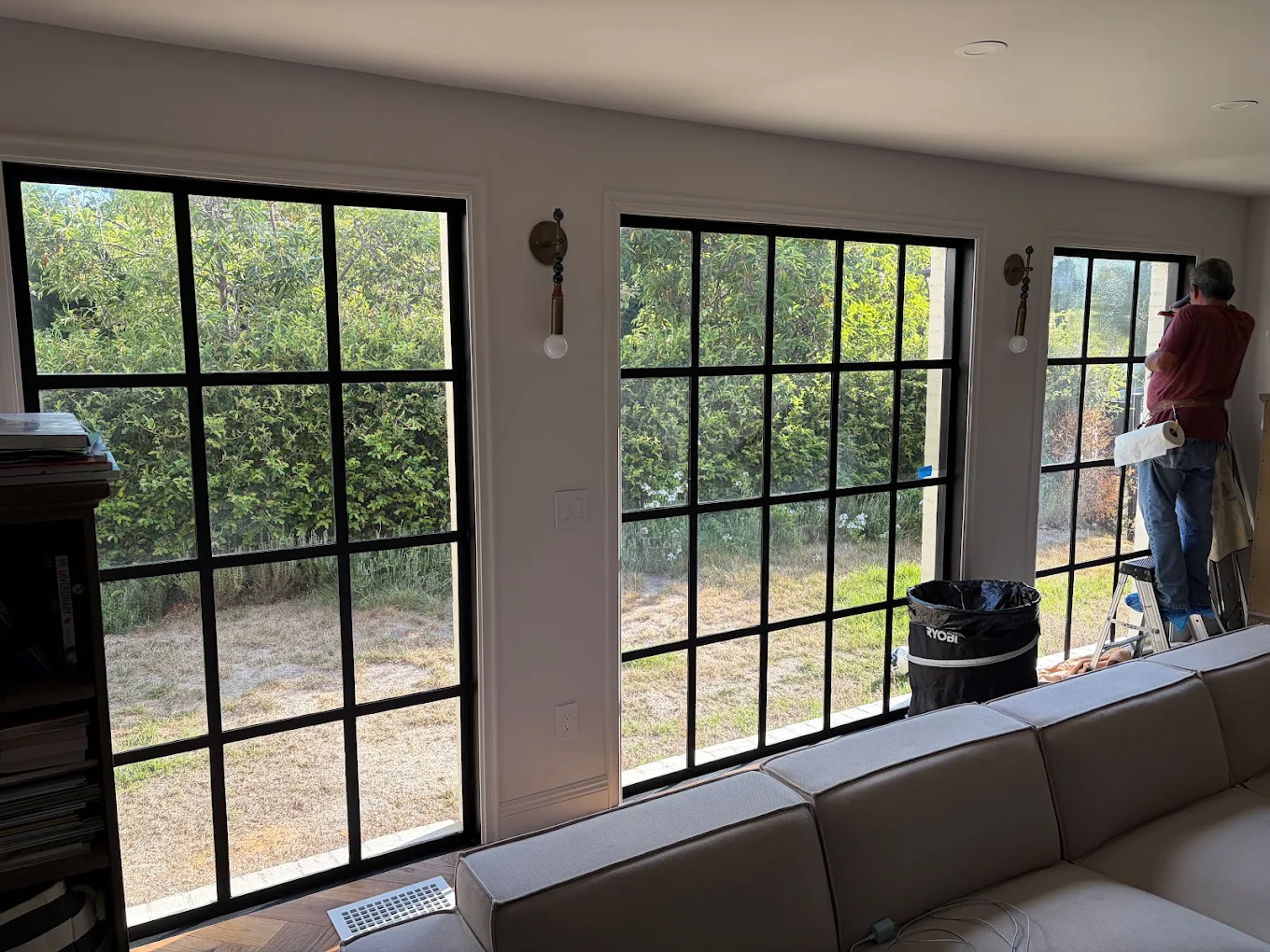
Window Film Installation Day in Your Home or Office
We protect floors and sills, clean each pane, apply the film wet and squeeze out the solution. A typical house is finished within a day. Commercial jobs can run before opening, after closing or over a weekend.
Curing and Cleaning New Window Film
Small haze or water pockets can show for a few weeks while the film cures, and it takes longer in cool, damp fog-belt weather. After that, clean with a soft cloth and mild soap, never razor blades or ammonia.
Residential Window Film for Victorian, Edwardian and Sunset Row Houses
A large share of the city's housing is older wood-frame stock: Victorians and Edwardians with three-sided bay windows, original single-pane sashes and sometimes wavy period glass, plus the stucco row houses of the 1930s and 1940s that fill the Sunset and parts of the Richmond. Single-pane glass passes heat both ways, lets in nearly all of the sun's fading energy and offers little resistance if someone breaks it.
Film is one of the few upgrades that improves those windows without replacing the sash. It goes on the inside surface, keeps the original glass in place and can be removed later. On older glass we pick films that are compatible with single-pane annealed panes, and we treat the old glass gently during prep, since a period pane is hard to replace.
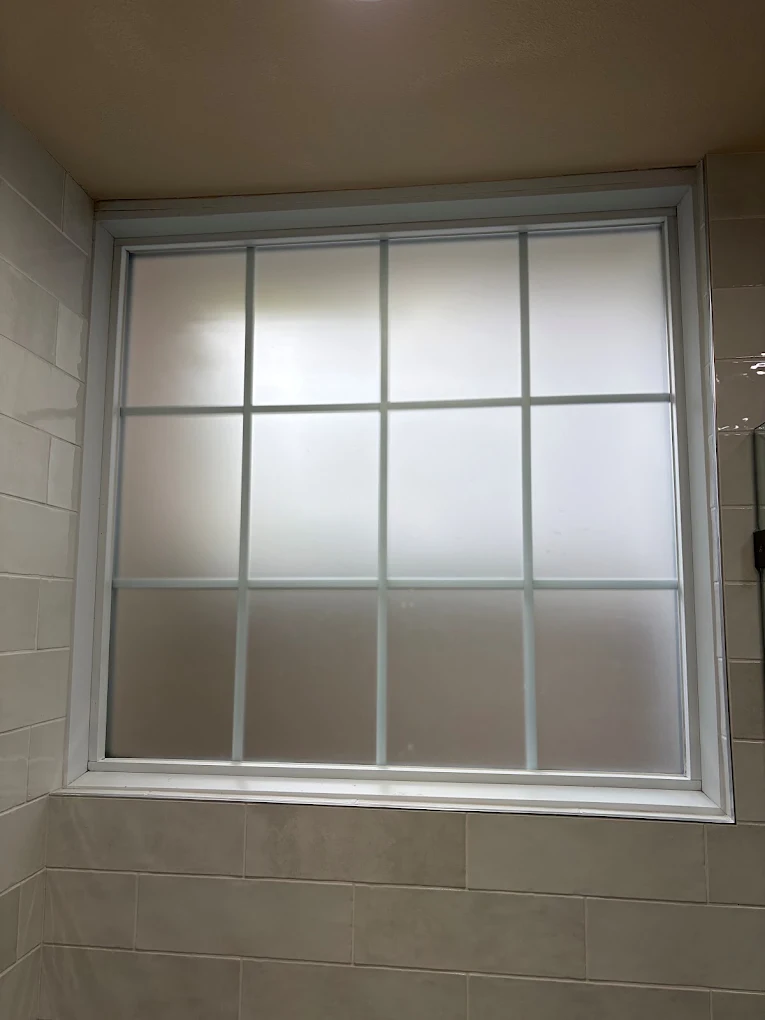
Many San Francisco homes also deal with close neighbors. Lightwells, side-yard windows a few feet from the next building and garden-level units at sidewalk height all raise privacy questions that frosted or one-way films can answer without hanging another curtain. Those films still pass daylight, which counts for a lot in narrow flats where a lightwell may be the only source of it.
Commercial Window Tinting from the Financial District to Mission Bay
Downtown and the eastern waterfront are a different problem. Glass towers in the Financial District, converted warehouses in SoMa and newer lab and office buildings in Mission Bay can take hard sun on their south and west faces, and occupants feel it as hot desks, glare on monitors and blinds that stay closed all day. Solar control film on the inside of that glass reduces heat gain without reglazing the building.
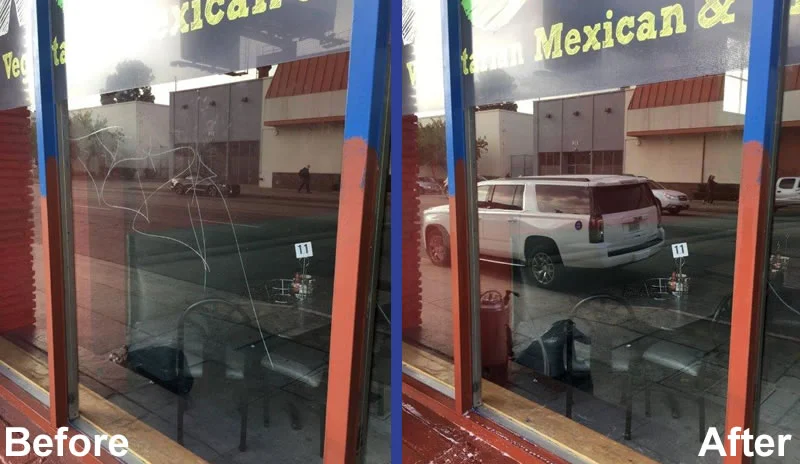
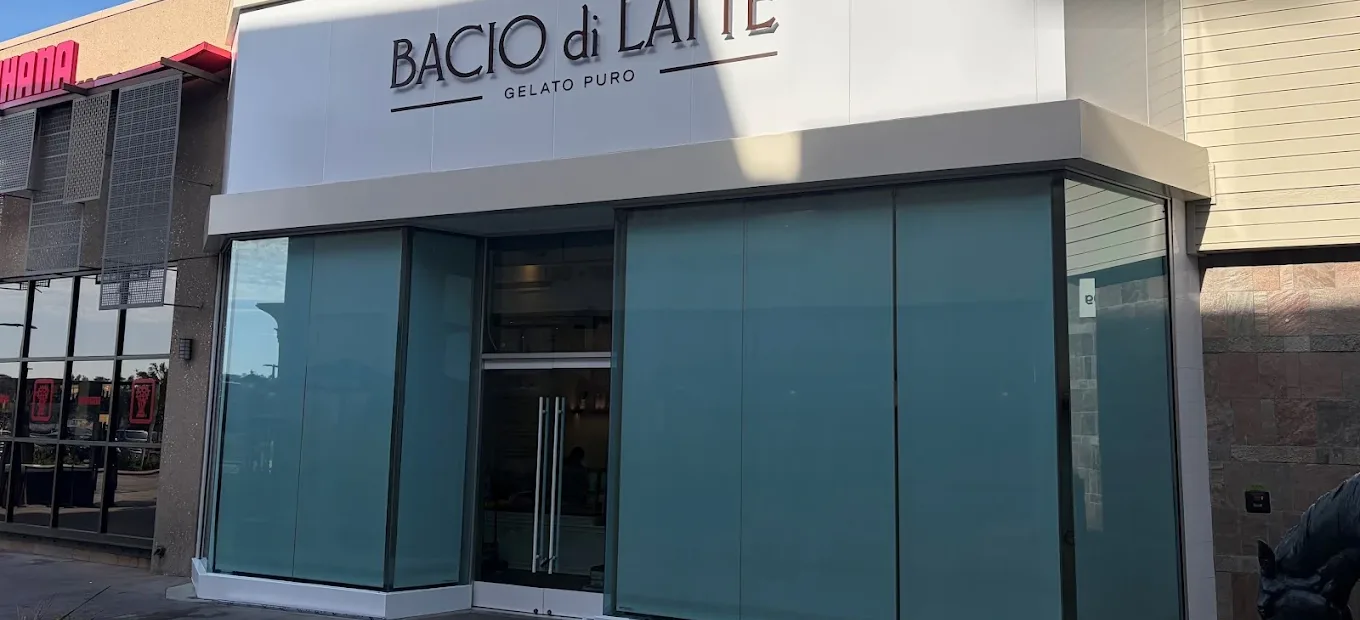
Street-level businesses have their own list. Retail corridors such as Valencia, Chestnut, Fillmore and Hayes Street deal with broken windows, graffiti and scratched glass, and owners want protection that still leaves the display visible. Security film, sacrificial anti-graffiti film and UV-blocking film for merchandise all go on the same storefront glass, and we often combine them in one visit.
San Francisco Rules That Touch Window Film Projects
Interior window film is usually not a permit item, but a few local rules still come up. Buildings in historic districts and designated landmarks go through Planning review for visible exterior changes, so a mirrored film that changes how a facade reads from the street deserves a check first. Neutral and lightly tinted films rarely draw attention. The city's bird-safe building standards apply mostly to new construction and major glazing work, and patterned films are one of the treatments designers use to meet them.
On the energy side, California Title 24 governs new construction and many alterations, and larger commercial buildings in the city have annual benchmarking duties under the existing commercial buildings energy performance ordinance. Most homes buy power through PG&E or CleanPowerSF on time-of-use rates, so cutting cooling load in the late afternoon matters more than total kilowatt-hours.
San Francisco service areas
Window Film Service Areas Across San Francisco
We cover all of San Francisco. That includes the view homes of Pacific Heights, Russian Hill and the Marina, the Victorians of Haight-Ashbury, the Castro and Noe Valley, the foggy west side from the Inner Sunset to the Outer Richmond, the sunny slopes of Potrero Hill and Bernal Heights, and the commercial core from the Financial District through SoMa to Dogpatch and Mission Bay. Pick your neighborhood below for notes specific to its buildings and weather.
San Francisco Window Tinting Questions and Answers
What does a window film job cost in San Francisco?
Cost depends on the total square footage of glass, the film type, how many panes and how small they are, access (ladders, upper floors, furniture) and whether old film has to come off first. Security and specialty films cost more than basic heat control film. A list of window sizes sent through the form lets us price the real project instead of guessing.
Do I need window film if I live in the foggy part of the city?
Often not for heat. In the Sunset and Richmond the more common reasons are UV fading, privacy, security and holding heat in during winter. A neutral UV film or a low-E film usually fits those homes better than a dark tint.
Is tinted glass going to make my SF flat gloomy?
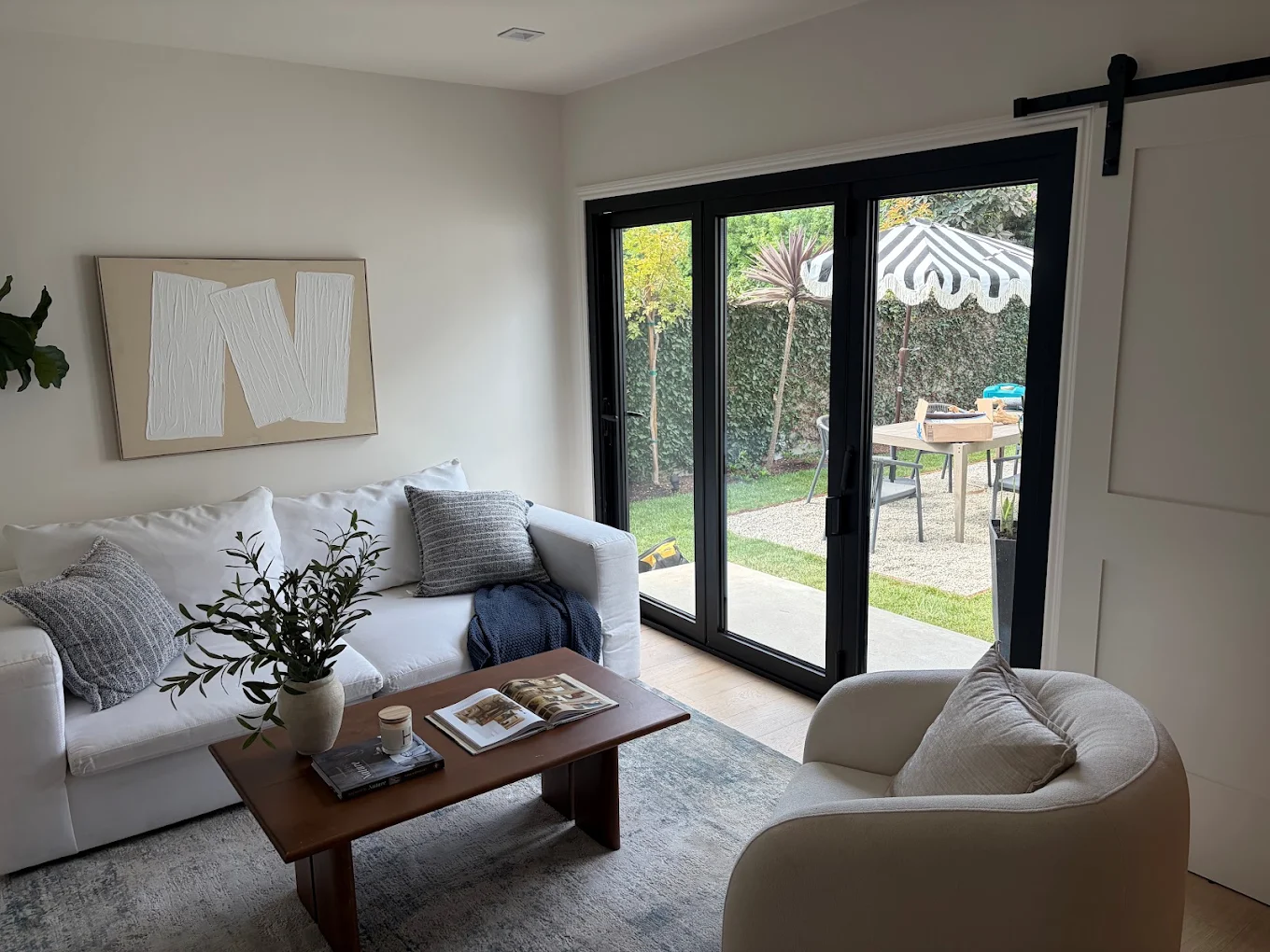
Only if you pick a dark product. Many heat control and UV films look nearly clear from inside. Since San Francisco has many grey days, we lean toward lighter films for living spaces and keep darker options for the rooms with serious afternoon sun.
Can you put film on old Victorian glass?
Yes, in most cases. Old wavy panes get gentler prep than modern glass, and the film we choose has to be approved for thin single-pane annealed glass. If a pane is already cracked or loose in the sash, we will point that out before we start.
Do I need permission from Planning or my HOA?
Interior film is rarely a permit issue, but condo associations often have rules about how windows look from outside, and homes in historic districts should avoid films that change the facade, such as mirrored tints. Check your HOA rules and we can suggest neutral films that keep the exterior unchanged.
Will window film void my window warranty?
Certain dual-pane manufacturers restrict coverage once film goes on, so dig out the paperwork from your window installer. Film manufacturers often offer glass coverage when their film is installed to their guidelines on compatible glass, and we will tell you what applies to your windows.
How long does window film last in San Francisco?
Interior films generally last many years here because the city's mild temperatures are easy on them. Film on hot south and west glass ages faster than film on north windows. Exterior films wear sooner than interior ones.
Window film quote
Request a San Francisco Window Film Quote
Let us know the neighborhood, the trouble windows and the result you are after. Fill out the quote form or email info@windowfilmsanfrancisco.pro with photos and rough sizes.
Prefer email? info@windowfilmsanfrancisco.pro