
SF residential tinting
Home Window Tinting in San Francisco
Home window tinting in San Francisco is a balancing act. You want less sun, glare and fading on the bright days without making rooms dim on the grey ones, and the right shade depends on where in the city you live.
 San Francisco
Picking a Home Window Tint Shade for San Francisco Light
Tint darkness is measured as visible light transmission, the share of daylight that still gets through the glass. In sunnier climates people often choose a fairly dark film for every window. In San Francisco that usually backfires. Many mornings start overcast, and a dark tint that feels right at 3 p.m. in October makes a living room feel dim at 10 a.m. in July.
For most homes here we suggest light to medium films in living spaces and save the darker shades for rooms that truly cook, such as a west-facing top-floor bedroom or a home office that faces a bright light well. We bring a sample board to the visit and hold several shades on the actual glass so you can compare them in the light your rooms really get.
Color matters too. Some films lean slightly bronze, grey or blue, and that tint shows up on white walls and in photos of the view. Neutral films keep wall colors and the view looking true. We point out the color of each sample against your walls during the visit, because it is easy to miss on a small swatch held up in daylight.
Tinting Bay Windows in Noe Valley, Hayes Valley and Beyond
The three-sided bay window is the signature of the San Francisco house, and it is also the trickiest window to tint. Each face of a bay points a different direction, so on a south-facing bay the left pane might take morning sun, the center pane midday sun and the right pane the hard afternoon light. Tinting all three with the same film is normal, but sometimes we use a stronger film only on the pane that takes the worst of it.
Bays in Victorians and Edwardians in Noe Valley and Hayes Valley also tend to have many separate panes, tall narrow sashes and decorative trim. That means more cutting and more edges to finish cleanly. We trim the film to sit just inside the edge of each pane so it does not catch on the sash or show a gap.
Home Window Tinting for Condos and Newer San Francisco Buildings
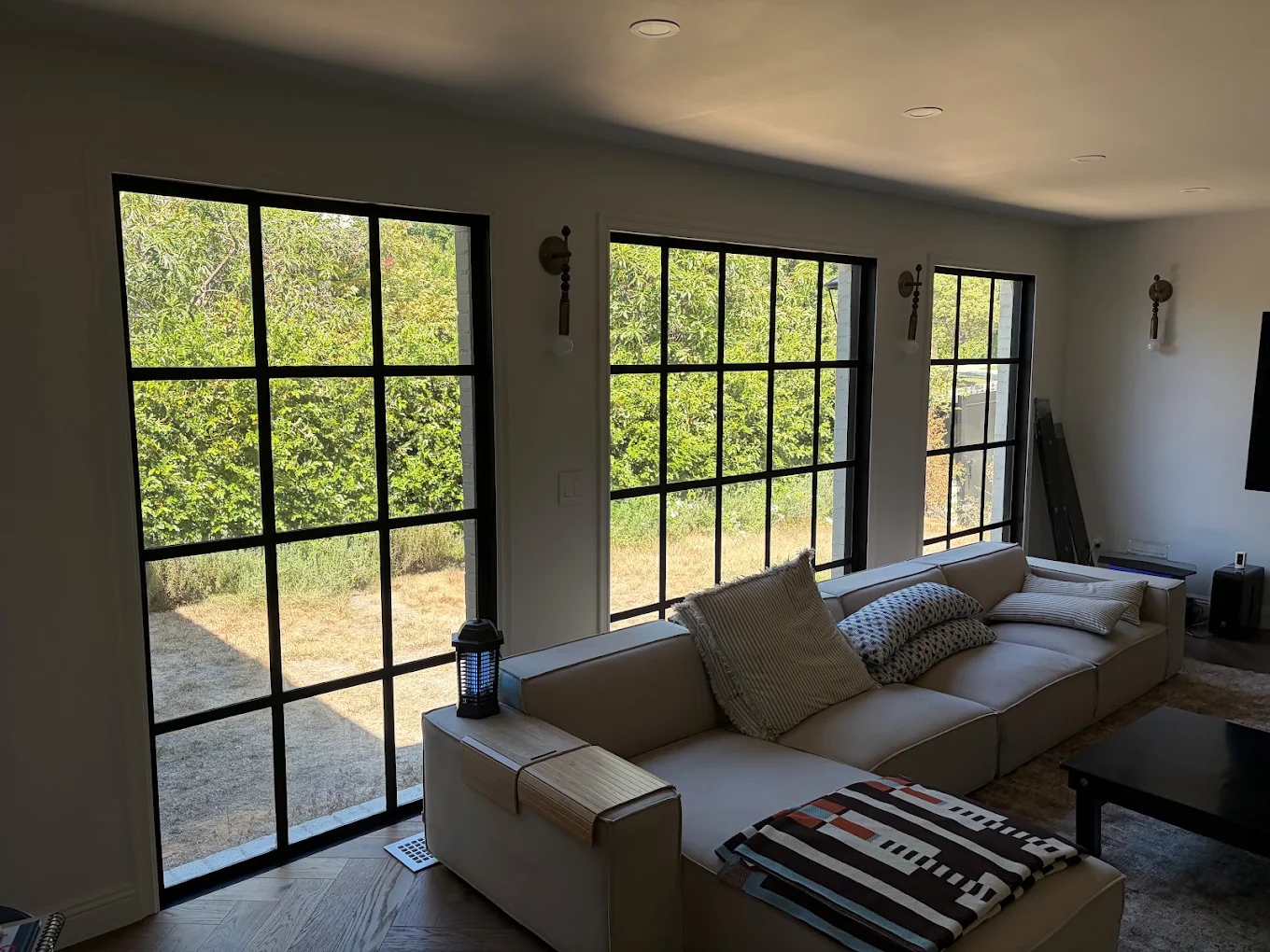
Newer condos on Russian Hill, in Mission Bay and along the waterfront usually have large dual-pane windows, sometimes floor to ceiling. The glass may already have a factory low-E coating, which changes which films are safe to add. Before quoting, we identify the glass and check film compatibility so we do not push a dark, heat-absorbing film onto a pane that cannot handle it.
Condo owners also need to check their association rules. Many buildings set limits on tint color or reflectivity so the facade looks uniform. If your building has an approved film list or a standard, send it to us and we will work within it. Without a standard, we suggest neutral films that blend with neighboring units so the facade stays even.
What Home Window Tinting Will and Will Not Do in San Francisco
Tinting reduces solar heat, glare and UV, and it can add daytime privacy. It does not make a drafty Victorian sash airtight, does not stop street noise in any noticeable way, and will not turn a hot room cold on a 90-degree day in the Mission. It does take the edge off, and in homes without air conditioning that difference is often enough to make a room usable again in the afternoon.
In the Inner Sunset and other west-side neighborhoods where fog rolls in most summer afternoons, owners often skip dark tint entirely and choose a clear UV film, a light glare film, or a low-E film that helps hold heat on chilly evenings. Those films do their work without making a grey afternoon feel darker.
What Home Window Tinting Does for San Francisco Homes
Cooler Sunny Rooms in San Francisco Homes
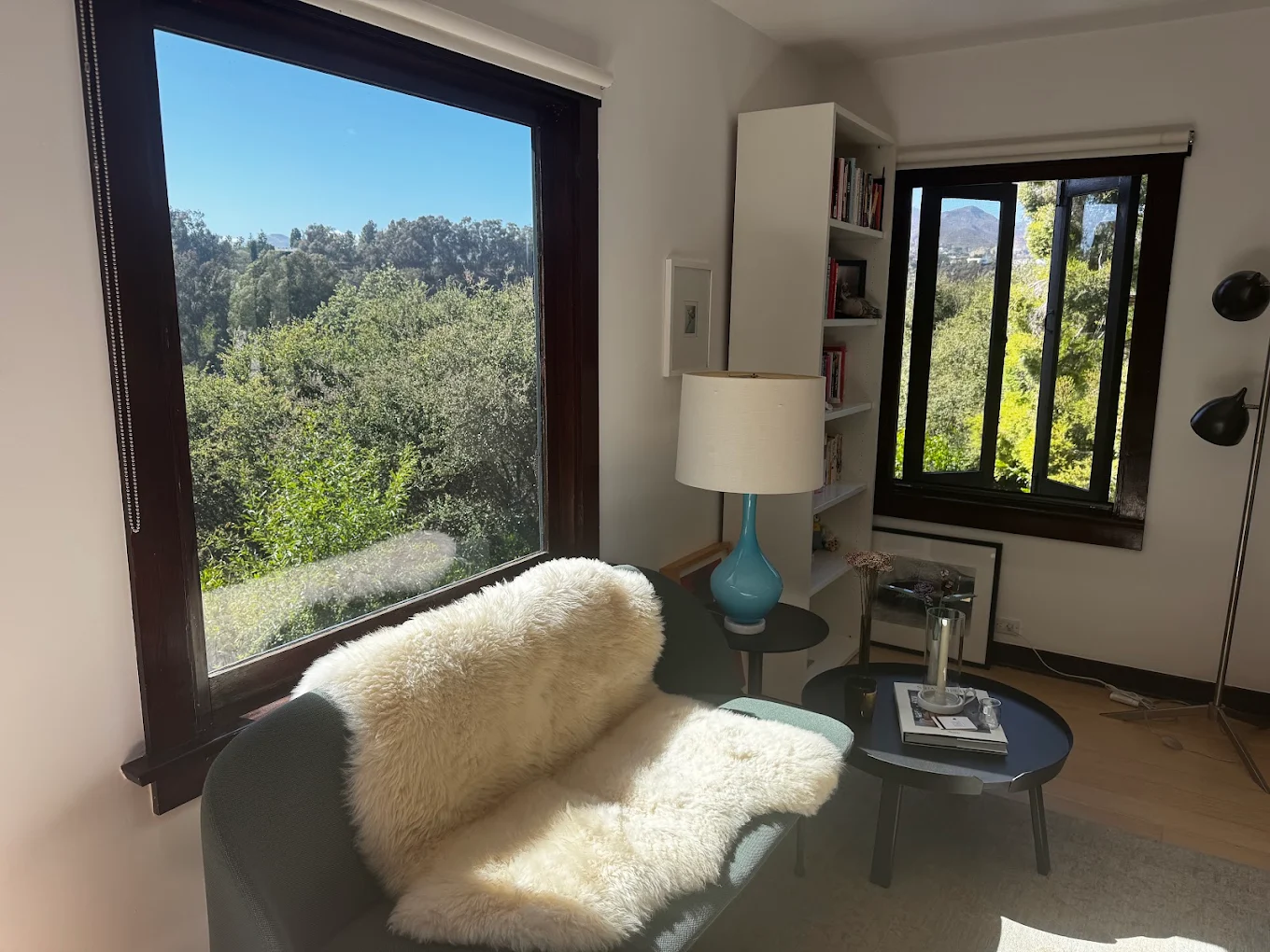
Tint cuts the solar heat coming through south and west windows, so a room facing the afternoon sun warms more slowly. That matters most during autumn warm spells, when the fog pulls back and most houses in the city have no air conditioning to lean on.
Less Glare on Screens With Window Tinting
Lower light transmission and reduced glare make TVs and laptops easier to read near windows. That helps in flats where the only workspace sits right next to the bay window and the sun drops straight onto the screen in late afternoon.
UV Protection Built Into Home Window Film
Nearly all residential tint films block most ultraviolet light, which slows fading on wood floors, rugs and furniture. You get that protection whether you choose a nearly clear film or a darker shade, so you do not need dark glass to protect your floors.
Daytime Privacy From Tinted Windows
Darker or lightly reflective films make it harder to see in from the sidewalk during the day. It is a simple fix for garden-level and first-floor windows close to the street, though the effect reverses at night when the lights are on inside.
Home Window Tinting FAQs for San Francisco
How dark should home window tint be in San Francisco?
Lighter than you might expect. Because of the city's frequent overcast mornings, most homeowners are happier with light to medium films in main rooms. Darker films work for bedrooms or rooms with strong afternoon sun.
Can I see out normally after tinting?
Yes. Residential films are optically clear, so the view looks the same, just with less brightness. Reflective films can show some reflection inside at night when the room is lit.
Why do two SF home tinting quotes differ so much?
Price follows the total glass area, number of panes, film type, ladder or upper-floor access, and whether old film needs removal. Bay windows with many small panes take longer than a few large picture windows.
Can tint be removed later?
Yes. We loosen it with a steamer, peel it away and scrub off the leftover glue. That makes it a good option for renters and for owners of older homes who want to keep the original glass unchanged.
Window film quote
Home Window Tinting Estimates Across San Francisco
A short note on which rooms run too bright or too warm, and the direction they face, is the best starting point. Add photos and approximate sizes in the quote form, or send them to info@windowfilmsanfrancisco.pro.
Prefer email? info@windowfilmsanfrancisco.pro